Retinal detachment & tears
Rapid diagnosis and urgent treatment of retinal tears and detachment, including surgery where needed.
Retinal surgery Cataract surgery Complex eye surgery
A specialist physician for 14 years and a graduate of the Technion Faculty of Medicine, with a retinal subspecialty fellowship at Surrey Memorial Hospital in Canada (UBC). Director of the ophthalmology department at Ziv Government Medical Center for the past 10 years, and head of a private clinic for the diagnosis and treatment of eye disease — retinal and cataract surgery, complex retinal cases and rare disease.
By appointment only · Second opinions welcome
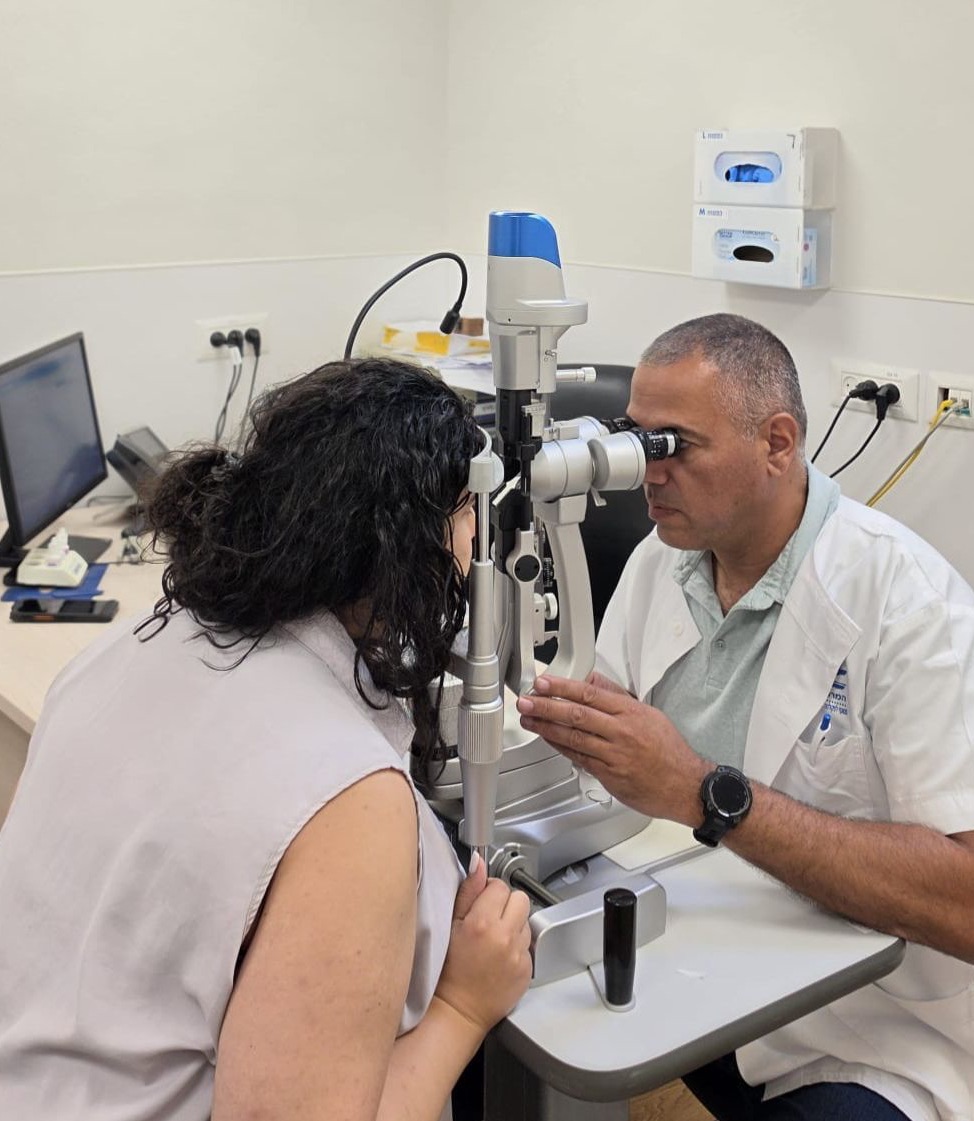
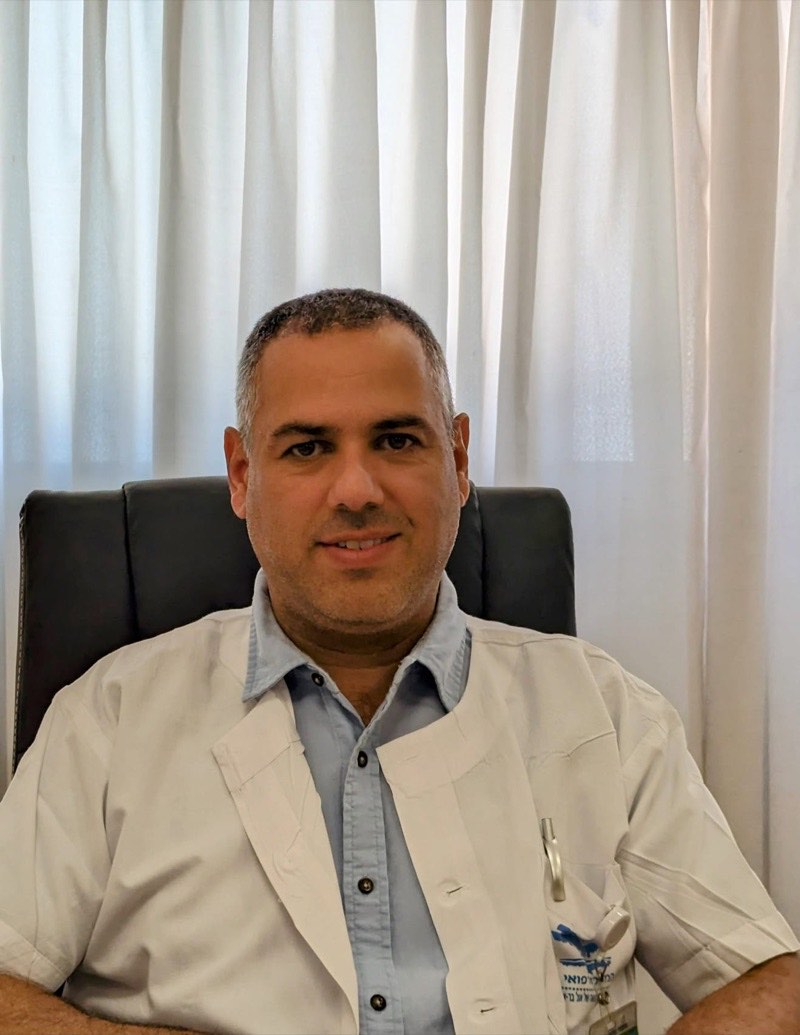
Dr. Chassid is a retina specialist, a graduate of the Technion Faculty of Medicine, and a specialist physician of 14 years. He completed his retinal subspecialty fellowship at Surrey Memorial Hospital in Canada, a teaching hospital affiliated with the University of British Columbia (UBC).
For the past 10 years he has directed the ophthalmology department at Ziv Government Medical Center, treating the full range of retinal disease — from the common conditions to urgent, complex cases that call for surgery.
The private clinic is where he takes the time that difficult cases need: diagnoses that are not clear-cut, rare and inherited retinal disease, and second opinions before a decision about surgery.
The clinic is not limited to the retina. It takes enquiries across ophthalmology — examination and diagnosis of eye disease, cataract surgery, uveitis, and the follow-up of chronic conditions of the eye. The retinal subspecialty is the focus, not the boundary.
The approach is straightforward — a thorough examination, a clear explanation in plain language, and a treatment plan built together with the patient, at their pace.
The clinic takes enquiries across ophthalmology — from examination and diagnosis through to surgery. The retina and vitreous are the focus, alongside cataract surgery, inflammation inside the eye, and the follow-up of chronic conditions.
Rapid diagnosis and urgent treatment of retinal tears and detachment, including surgery where needed.
Monitoring and treatment of both dry and wet forms, including intravitreal therapy as required.
Prevention, monitoring and treatment of macular oedema and the retinal complications of diabetes.
Vitrectomy, epiretinal membrane, macular hole and combined procedures.
Diagnosis and management across the range of retinal disease, including inherited and rare conditions, genetic work-up and long-term follow-up.
Cataract surgery with intraocular lens implantation, including the examination of the retina that determines the expected result and the choice of lens.
Diagnosis and treatment of inflammation inside the eye, work-up of the cause, and monitoring for macular oedema and raised pressure.
A full examination: intraocular pressure, slit lamp, dilated fundus examination and OCT imaging where needed.
A fresh review of a diagnosis or of a recommendation for surgery, based on all the existing records.
Professional information in plain language — on retinal disease, cataract, inflammation inside the eye and how eye disease is diagnosed, and what matters before making a decision.
Answers to the questions that come up most often — what is treated here, what counts as urgent, what a full examination covers, and how to prepare for a visit.
A general ophthalmologist treats a broad range of eye problems — glasses, infections, cataract and eye pressure. A retina specialist is an ophthalmologist who has completed further subspecialty training in the retina, the tissue at the back of the eye.
You see a retina specialist for retinal detachment, macular degeneration, diabetic retinopathy, epiretinal membrane or macular hole, and rare retinal disease — conditions that usually need advanced imaging and sometimes surgery.
No. Dr. Chassid is a specialist ophthalmologist whose subspecialty is the retina. The clinic takes enquiries across ophthalmology: examination and diagnosis of eye disease, cataract surgery, uveitis, and the follow-up of chronic conditions of the eye — alongside the retinal disease that is the focus of the subspecialty.
The advantage of being seen by a retina specialist is that even when the problem is at the front of the eye, the back of it is examined in the same visit. In cataract, for example, the state of the macula is what determines the vision after surgery.
Seek care immediately if you notice flashes of light, a sudden shower of floaters, a shadow or curtain moving across your vision, or a sharp drop in vision. These can indicate a retinal tear or detachment.
In these situations every hour counts. Do not wait for an appointment — call the clinic or go to an eye emergency room. More on this: the warning signs of retinal detachment.
A red, painful eye with marked sensitivity to light is also not ordinary conjunctivitis, and should be examined by an ophthalmologist the same day or the next.
Retina and vitreous: retinal detachment and retinal tears, age-related macular degeneration (AMD) in both dry and wet forms, diabetic retinopathy and macular oedema, epiretinal membrane and macular hole, and inherited or rare retinal disease.
Elsewhere in the eye: cataract surgery, uveitis, the diagnosis of eye disease, and follow-up of chronic conditions of the eye.
The private clinic focuses particularly on complex cases and on diagnoses that are not clear-cut.
It covers visual acuity and refraction, measurement of intraocular pressure, a slit-lamp examination of the front of the eye, and a dilated examination of the retina. Imaging is added where needed — chiefly OCT, a non-invasive scan of the retinal layers.
Most of the eye disease that matters — glaucoma, diabetic retinopathy and early macular degeneration — begins without any symptom, which is why a comprehensive examination is not the same thing as a sight test. In full: what a comprehensive eye examination covers.
A cataract is the gradual clouding of the eye's natural lens, a normal process of ageing. It causes blurring that glasses do not correct, glare from lights and faded colours, and it develops slowly and painlessly.
The rule about waiting for a cataract to “ripen” is obsolete. Surgery is done when the vision interferes with life — driving, reading or work.
Dr. Chassid performs cataract surgery with intraocular lens implantation. The retina is examined beforehand, because the state of the macula determines both the expected result and which lens is appropriate — the advantage of having the operation done by a retina specialist. More: cataract — when surgery is actually needed.
Uveitis is inflammation of the middle layer of the wall of the eye. It usually presents with redness, pain and marked sensitivity to light — but in its posterior forms it can be entirely silent, showing up only as blurring or floaters.
In some cases it is linked to a systemic autoimmune disease or to an infection, so the work-up does not stop at the eye. Untreated inflammation can cause macular oedema, glaucoma and cataract. More: uveitis — a short guide for patients.
Bring photo ID, a referral if you have one, previous medical summaries, any existing imaging (OCT or retinal photographs) and a list of your medications.
A retinal examination usually involves dilating drops, so your vision will be blurred for several hours and driving afterwards is not advised — it is best to come with someone.
Yes. A large share of the clinic's referrals are second opinions, particularly before surgery or when a diagnosis is not clear-cut.
Please bring all existing material: visit summaries, OCT scans, retinal photographs and angiography if performed.
The clinic is at 224/5 Ma'ale Gai Oni St., Rosh Pina, about ten minutes from Safed, seeing patients from Rosh Pina, Safed, Hatzor HaGlilit, Kiryat Shmona, Tiberias, Karmiel, across the Galilee and from the rest of Israel. Visits are by appointment only.
To book, call 050-5427567 or leave your details in the enquiry form and we will get back to you.
A quiet, fully equipped space for advanced retinal examination in northern Israel, seeing patients from Rosh Pina, Safed, the Galilee and across the country. Visits are by appointment only, so that every patient gets the time their case actually requires.
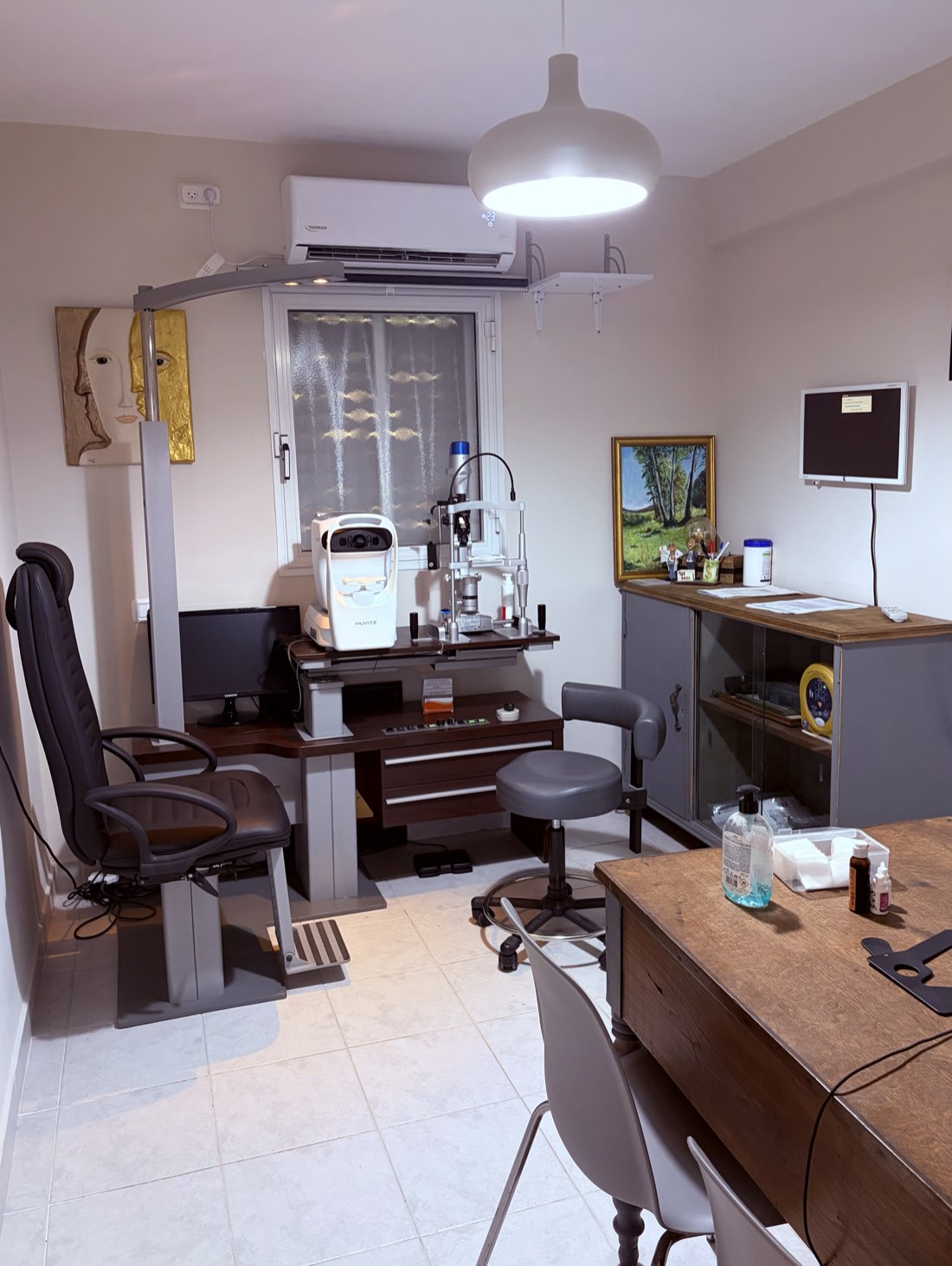
Leave your details and we will get back to you to arrange a time. For anything urgent, it is better to call the clinic directly.